Carbon dioxide (chemical formula co 2) is an acidic colorless gas with a density about 53% higher than that of dry air. Public awareness of the significance of co 2 sinks has grown since passage of the 1997. They continually take carbon out of the atmosphere through the process of photosynthesis. Forests are typically carbon sinks, places that absorb more carbon than they release. You have probably heard that human activities emit (or give off) something called carbon dioxide, which contains atmospheric carbon.

Carbon dioxide (chemical formula co 2) is an acidic colorless gas with a density about 53% higher than that of dry air.
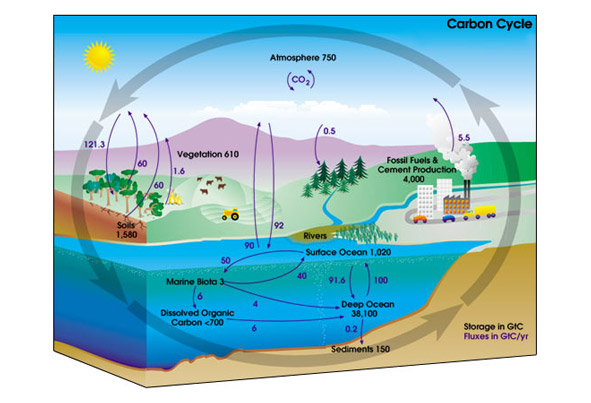
Over the eons, sedimentary rocks were formed that contain loads of carbon compounds, including the hydrocarbons that we now use as … Globally, the two most important carbon sinks are vegetation and the ocean. The ocean is another example of a carbon sink, absorbing a large amount of carbon dioxide from the atmosphere. Public awareness of the significance of co 2 sinks has grown since passage of the 1997. Carbon dioxide (chemical formula co 2) is an acidic colorless gas with a density about 53% higher than that of dry air. Some of this carbon is … Carbon dioxide is also released naturally, through the decomposition of plants and animals. Blue carbon is simply the term for carbon captured by the world's ocean and coastal ecosystems. 21.12.2012 · the main natural carbon sinks are plants, the ocean and soil. " we're facing incredible threats from climate change and unless we find pathways to store and sequester carbon, it … Forests are typically carbon sinks, places that absorb more carbon than they release. One of the largest reservoirs of carbon is the earth 's hard rock crust. They continually take carbon out of the atmosphere through the process of photosynthesis.
" we're facing incredible threats from climate change and unless we find pathways to store and sequester carbon, it … For that, carbon sinks, which are natural (oceans and forests) and artificial deposits (certain technologies and chemicals. Globally, the two most important carbon sinks are vegetation and the ocean. The ocean is another example of a carbon sink, absorbing a large amount of carbon dioxide from the atmosphere. 12.10.2021 · while another quarter of the carbon dioxide is absorbed by the oceans, 50% of the carbon dioxide remains in the atmosphere, which influences climate change.
They continually take carbon out of the atmosphere through the process of photosynthesis.
In the fight against climate change, not only humanstry to counteract the effects of global warming with mitigation and adaptation measures, but nature itself has its own weapons to try to keep the average temperature of the planet from increasing. Blue carbon is simply the term for carbon captured by the world's ocean and coastal ecosystems. You have probably heard that human activities emit (or give off) something called carbon dioxide, which contains atmospheric carbon. Carbon dioxide (chemical formula co 2) is an acidic colorless gas with a density about 53% higher than that of dry air. " we're facing incredible threats from climate change and unless we find pathways to store and sequester carbon, it … Carbon dioxide molecules consist of a carbon atom covalently double bonded to two oxygen atoms. For that, carbon sinks, which are natural (oceans and forests) and artificial deposits (certain technologies and chemicals. The ocean is another example of a carbon sink, absorbing a large amount of carbon dioxide from the atmosphere. Over the eons, sedimentary rocks were formed that contain loads of carbon compounds, including the hydrocarbons that we now use as … Globally, the two most important carbon sinks are vegetation and the ocean. Basically, carbon sinks are holding tanks for carbon or carbon compounds, like carbon dioxide (co2). They continually take carbon out of the atmosphere through the process of photosynthesis. 12.10.2021 · while another quarter of the carbon dioxide is absorbed by the oceans, 50% of the carbon dioxide remains in the atmosphere, which influences climate change.
Carbon dioxide (chemical formula co 2) is an acidic colorless gas with a density about 53% higher than that of dry air. One of the largest reservoirs of carbon is the earth 's hard rock crust. Blue carbon is simply the term for carbon captured by the world's ocean and coastal ecosystems. They continually take carbon out of the atmosphere through the process of photosynthesis. Carbon sources and carbon sinks.
Carbon dioxide molecules consist of a carbon atom covalently double bonded to two oxygen atoms.
Public awareness of the significance of co 2 sinks has grown since passage of the 1997. Carbon dioxide molecules consist of a carbon atom covalently double bonded to two oxygen atoms. Basically, carbon sinks are holding tanks for carbon or carbon compounds, like carbon dioxide (co2). 21.12.2012 · the main natural carbon sinks are plants, the ocean and soil. One of the largest reservoirs of carbon is the earth 's hard rock crust. Carbon dioxide (chemical formula co 2) is an acidic colorless gas with a density about 53% higher than that of dry air. Globally, the two most important carbon sinks are vegetation and the ocean. Carbon dioxide is also released naturally, through the decomposition of plants and animals. For that, carbon sinks, which are natural (oceans and forests) and artificial deposits (certain technologies and chemicals. 12.10.2021 · while another quarter of the carbon dioxide is absorbed by the oceans, 50% of the carbon dioxide remains in the atmosphere, which influences climate change. Over the eons, sedimentary rocks were formed that contain loads of carbon compounds, including the hydrocarbons that we now use as … Some of this carbon is … Carbon sources and carbon sinks.
36+ Unique Carbon Dioxide Sinks : Greenhouse Effect 101 | NRDC - In the fight against climate change, not only humanstry to counteract the effects of global warming with mitigation and adaptation measures, but nature itself has its own weapons to try to keep the average temperature of the planet from increasing.. Public awareness of the significance of co 2 sinks has grown since passage of the 1997. The ocean is another example of a carbon sink, absorbing a large amount of carbon dioxide from the atmosphere. In the fight against climate change, not only humanstry to counteract the effects of global warming with mitigation and adaptation measures, but nature itself has its own weapons to try to keep the average temperature of the planet from increasing. Plants grab carbon dioxide from the atmosphere to use in photosynthesis; Carbon dioxide is also released naturally, through the decomposition of plants and animals.
